How to Clean and Seal a Wood Deck: A Calgary Homeowner's Guide
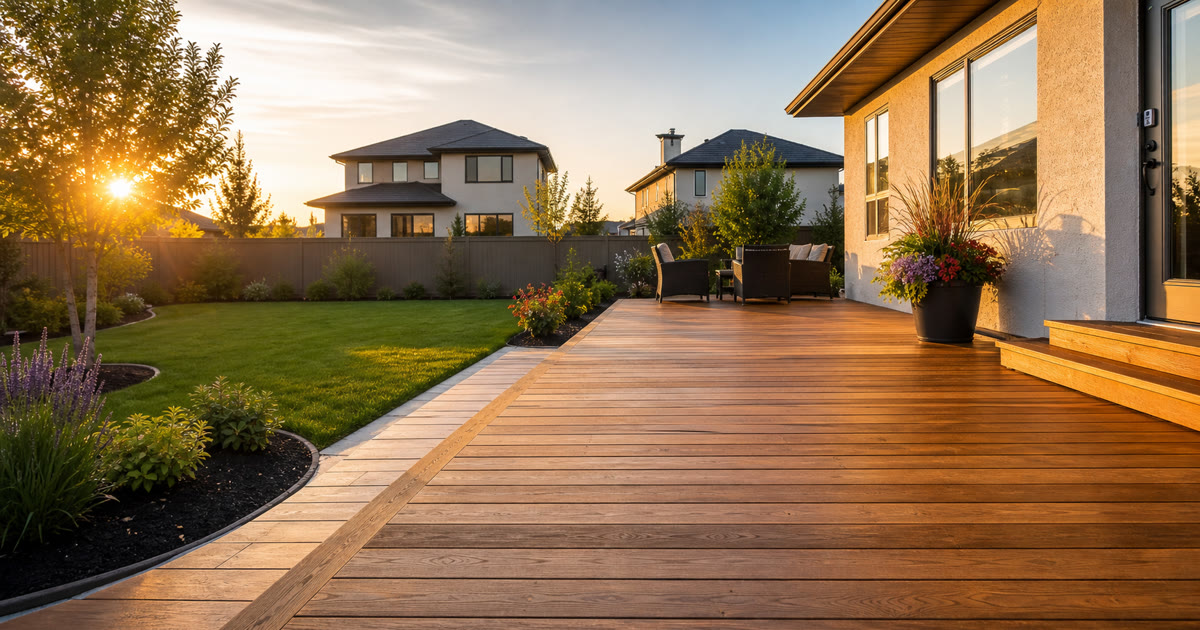
A wood deck in Calgary takes a beating. Over the course of a single year, it sits through −30°C cold snaps, dry chinook winds that swing the temperature 20 degrees in an afternoon, intense high-altitude UV from 1,045 metres above sea level, and sudden summer thunderstorms that can dump 30 mm of rain in an hour. If your deck looks grey, splintered, or is soaking up water instead of shedding it, it's time to clean and seal it. The window for this work in Calgary is short — roughly mid-May through September — and June is the sweet spot: warm enough for sealers to cure, but before the peak July-August UV starts breaking down bare wood.
Why Calgary is especially hard on wood decks
Most deck-care advice online is written for places like Vancouver or Toronto. Calgary is different. Three things set us apart:
- Freeze-thaw cycling. Moisture gets into unprotected wood in fall, freezes in November, expands, and creates micro-cracks. Repeat 40–60 times per winter and you get splintering and raised grain by spring.
- Chinook winds. A chinook in Calgary can push temperatures from −20°C to +5°C in hours. Wood expands and contracts at a different rate than the fasteners holding it, loosening screws and nails over time.
- High-altitude UV. At over a thousand metres of elevation, Calgary gets more UV exposure than sea-level cities. UV breaks down lignin — the natural glue that holds wood fibres together — turning your deck grey and fuzzy in as little as two years.
If you live in a Calgary neighbourhood with mature trees — like Haysboro, Brentwood, or Acadia — you also get shade-driven moisture that sits on the deck longer, encouraging mildew in the corners. Homes in newer Calgary suburbs like Mahogany or Nolan Hill often have fully exposed decks that bake in the sun all day. Both need sealing, but the prep work differs slightly.
When to clean and seal your deck in Calgary
Timing matters. Here's the Calgary seasonal breakdown:
- May – early June: Best window. Temperatures are consistently above 10°C (most sealers need 10°C minimum to cure), and you beat the intense July sun. Calgary evenings can still be cool in May, so aim for a stretch of 2–3 days with daytime highs above 15°C.
- July – August: You can still seal, but avoid working in direct midday sun — sealers dry too fast and won't penetrate properly. Work in the morning or evening.
- September: Doable if you catch an early-September warm spell, but Calgary can see frost by mid-September. If the overnight low dips below 5°C, the sealer won't cure right.
- October – April: Don't bother. Cold, snow, and freeze-thaw make it impossible.
If your deck is brand new pressure-treated lumber, wait 4–6 months for it to dry out before sealing. If it's cedar, you can seal it sooner because cedar absorbs less treatment moisture.
Step 1: Inspect the deck
Before you touch a brush, walk the deck with a flathead screwdriver. Three things to check:
- Loose boards and popped nails. Hammer down nails that have worked up (common after a Calgary winter) and tighten or replace screws. A loose board will flex under a sander and ruin your finish.
- Rot. Probe any soft spots, especially where boards meet the house and around posts. If the screwdriver sinks in more than ¼ inch, the board needs replacing. Calgary's wet June storms pool water exactly at the house-to-deck seam.
- Structural movement. Look at the ledger board — the piece bolted to your house. In Alberta, frost heave can shift deck footings slightly over the years. Cracks in the ledger flashing mean water is getting behind it.
If the deck needs more than a few boards replaced or the ledger is pulling away, call a handyman. A wobbly deck is a safety problem, not a DIY project.
Step 2: Clear and protect
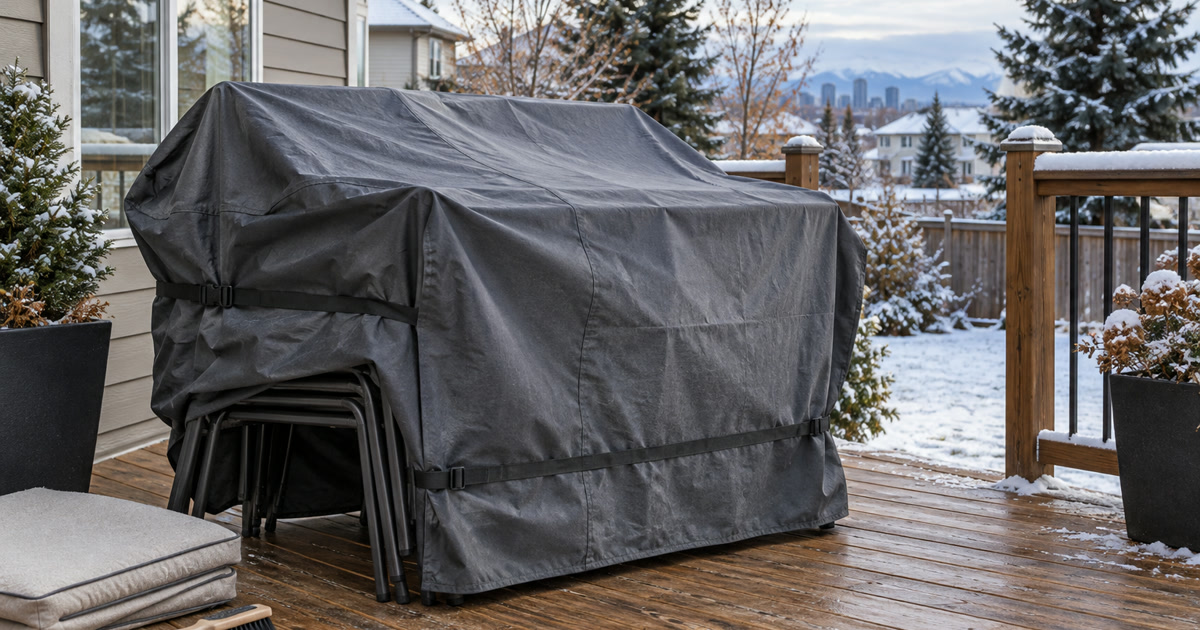
Move furniture, planters, and the barbecue off the deck. Cover nearby plants and siding with plastic sheeting — deck cleaners are alkaline and will strip the wax off your car and burn your hostas. Calgary homes often have stucco or vinyl siding; both can discolour if splashed with cleaner.
Step 3: Clean the deck
This is the step most people skip, and the reason most seal jobs fail. Sealer does not stick to dirt, mildew, or old grey wood fibres.
What you need:
- A pump sprayer or stiff-bristle push broom
- An oxygen-based deck cleaner (sodium percarbonate) — not chlorine bleach. Bleach kills plants and breaks down wood lignin, making the deck fuzzy.
- For decks with mildew (common in shady Calgary neighbourhoods like Wildwood or Lakeview), use a cleaner with a mildewcide additive.
The process:
- Sweep the deck thoroughly.
- Wet the wood with a garden hose — slightly damp wood absorbs cleaner evenly.
- Apply the cleaner at the dilution the label recommends. Work in 4×4-foot sections so it doesn't dry on the surface.
- Scrub with a stiff brush. Don't use a pressure washer — it gouges soft wood and forces water deep into the boards, adding days of drying time. Calgary's dry air helps here; a deck here dries faster than on the coast, but the grain damage from a pressure washer is the same.
- Rinse thoroughly with a garden hose. Leftover cleaner residue will stop the sealer from bonding.
Let the deck dry for a full 24–48 hours. In Calgary's semi-arid climate, 24 hours is usually enough in June with low humidity, but check with a moisture meter if you have one — wood should be below 15% moisture content.
Step 4: Optional — brighten the wood
If your deck has gone grey, an oxalic acid brightener restores the natural wood colour and opens the grain for the sealer. Apply after cleaning, rinse, and let dry again. Not strictly necessary for a deck you're painting with a solid stain, but worthwhile for semi-transparent or clear sealers where you want the wood grain to show.
Step 5: Seal or stain
You're at the decision point: clear sealer, semi-transparent stain, or solid stain. Here's how to choose for Calgary:
| Type | Lifespan in Calgary | Look | Best for |
|---|---|---|---|
| Clear waterproofer | 1–2 years | Natural wood, minimal colour | New cedar, showing off the grain |
| Semi-transparent stain | 2–3 years | Adds tone, grain still visible | Most decks — good balance |
| Solid stain | 3–5 years | Painted look, hides imperfections | Older decks, or strong UV protection |
Calgary's UV is brutal, so a semi-transparent or solid stain is generally the better pick over a clear sealer. You'll get more years between applications and better protection against the high-altitude sun. Oil-based penetrates deeper and lasts longer; water-based is easier to clean up and has lower VOCs but needs reapplication sooner.
Application:
- Apply with a stain pad, roller, or pump sprayer + back-brush.
- Work the length of 2–3 boards at a time, from the far end toward the stairs so you don't paint yourself into a corner.
- Don't let it puddle. Calgary's dry air can make sealer skin over in minutes — puddles won't absorb and will peel in weeks.
- One thin, even coat is better than two thick ones. The wood can only absorb so much.
Pay extra attention to:
- Board ends. They wick moisture like a straw. Apply sealer liberally to the cut ends.
- Between boards. Use a narrow brush or a dedicated groove brush to get sealer between the deck boards. Water pools in these gaps during Calgary rainstorms and sits there, slowly rotting the board edges.
- Top rail of the railing. This is the most UV-exposed surface — it fades first.
Let the deck cure for 24–48 hours before walking on it and 72 hours before putting furniture back. Keep an eye on the Calgary forecast — one surprise thunderstorm (and June is Calgary's wettest month) can ruin a fresh seal job.
How often to re-seal in Calgary
No universal answer here — it depends on exposure. Here's what to expect in Alberta conditions:
- Fully exposed south-facing deck (like in Copperfield or Auburn Bay): 2 years for semi-transparent, 3–4 for solid stain. Southern exposure here means unrelenting sun from morning to evening.
- Partially shaded deck (mature neighbourhoods like Altadore or Charleswood): 3 years between coats.
- Covered deck under a roof overhang: 3–4 years, because UV and rain are partially blocked by the roof.
The test: splash water on the deck. If it beads up, the seal is healthy. If it soaks in and darkens the wood, you're due for a recoat.
When to call a handyman
Cleaning and sealing a standard 12×16-foot deck is a solid weekend project for a handy homeowner. But call a pro if:
- The deck is multi-level or has a complicated railing system (common in Calgary homes built into hillsides, like parts of Signal Hill or Cougar Ridge).
- There's structural rot or loose ledger boards.
- You don't have the equipment — renting a floor sander, buying a case of sealer, and spending a weekend on your knees adds up. A handyman brings the tools and finishes faster.
- The deck needs extensive board replacement before sealing.
YOFF handles deck cleaning, repair, and sealing in Calgary — everything from a quick power-wash and re-stain to replacing rotted boards and tightening fasteners so the deck is solid and weather-ready.
Bottom line: Calgary decks work hard for their keep. Give yours a cleaning and fresh seal every 2–3 years, and it'll outlast the fence. Skip it, and you're looking at splinters, rot, and a full deck replacement that costs ten times what a seal job does. The June weather window is open — don't wait until the boards start feeling soft.
Rather have YOFF handle it?
We cover seasonal and more across Calgary and nearby communities — booked fast, done right. No Fix — No Fee.