Drain Vent Problems in Older Calgary Homes: Why Your Sink Gurgles and Drains Slowly

Your kitchen sink gurgles after the dishwasher runs. The toilet water level wobbles when someone flushes upstairs. A faint sewer smell drifts through the bathroom every few days. If you live in an older Calgary home — think pre-1990 builds in communities like Killarney, Bowness, or Inglewood — the culprit is often not a clog in the pipe, but a failure in the part of your drain system you never see: the vent.
What a drain vent actually does
Every drain in your home — sink, tub, toilet, laundry — connects to a pipe that eventually leads to the city sewer line. But there is a second pipe tied into that same system: the vent stack. You have seen it on every Calgary roof: a vertical pipe sticking up through the shingles. That is the top of your vent system.
The vent does one simple, critical job: it lets air into the drain pipes.
Think of pouring a full bottle of water upside down. The water glugs out in uneven bursts because air has to fight its way in past the water. Poke a hole in the bottom of the bottle and the water flows smoothly. That hole is exactly what the vent stack does for your drains. Without it, every time water runs through a pipe it creates negative pressure — a partial vacuum — behind it. The vent admits air to equalize that pressure.
What happens when the vent fails: pressure, vacuum, and sewer gas
A blocked or undersized vent does three things to your home's drain system, and none of them are subtle over time.
1. Slow drainage. When water can't pull air behind it, it moves sluggishly. A sink that used to drain in five seconds now takes thirty. A tub that stands ankle-deep during a shower. The pipe is not necessarily clogged — it is starved for air.
2. P-trap siphoning. This is the one that matters for your health. Every fixture has a P-trap — that U-shaped bend of pipe under your sink — designed to hold a plug of water that blocks sewer gas from entering your home. Negative pressure from a vent failure pulls that water right out of the trap. The result: an open path from the city sewer into your bathroom or kitchen. You smell it before you see anything wrong.
3. Gurgling and pressure fluctuations. That gurgling sound is air fighting through water in the trap. It means your system is gasping. You might also see bubbles in the toilet bowl or hear a sucking sound from a nearby drain when another fixture is in use. These are not quirks — they are symptoms of a ventilation problem.
Why older Calgary homes are vulnerable
Older homes come with older vent stacks. In Calgary's climate, a vent pipe on the roof endures everything: minus-thirty winters, chinook swings, hail, UV, and twenty-year-old leaves and debris. Here is what goes wrong:
- Cast iron corrosion. Homes built before the 1980s often used cast iron for vent stacks. Cast iron rusts from the inside, flaking off scale that narrows the pipe over decades. A four-inch vent becomes a two-inch vent, and the math stops working.
- Debris and nests. A vent stack open to the sky is an invitation. Leaves, twigs, bird nests, even a stray hockey ball from a backyard rink. Once the vent opening is obstructed, the whole house feels it.
- Frost and ice. In Calgary's cold snaps, warm, moist air rising through the vent meets sub-zero air at the roof line and freezes. A frost cap can form overnight, sealing the vent completely. The next morning, every drain in the house is slow.
- Undersized vents in renovations. A less-visible problem: a previous owner finished the basement, added a bathroom, and tied new drains into an old vent stack that was never sized for the extra load. The system limps along until it doesn't.
Signs your venting needs attention
You might have a vent problem — not a clog — if you notice:
- Gurgling from one drain when another fixture is running
- Sewer smells that come and go, especially in one room
- Water level in the toilet bowl that fluctuates on its own
- Slow drainage at multiple fixtures at once
- A drain that works fine some days and badly on others (frost on the vent cap)
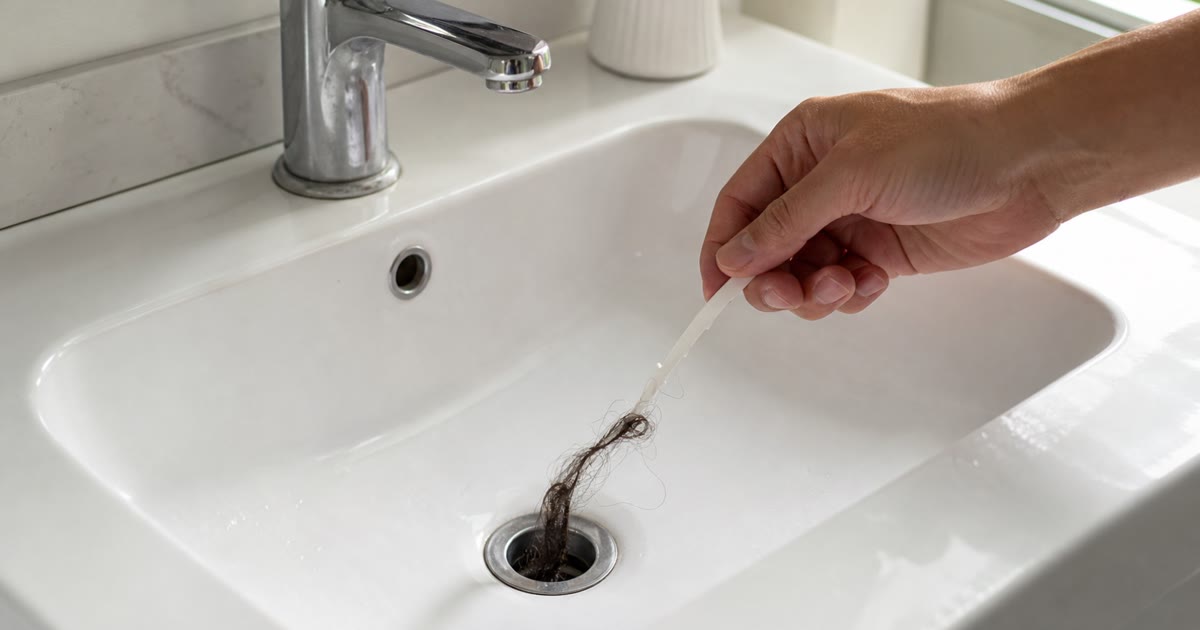
A single slow sink usually points to a local clog — hair, grease, the usual. But when multiple fixtures act up together, or when smells appear without a visible backup, the vent system is the place to look.
What a pro actually does
Diagnosing vent issues takes someone who understands how the entire drain system breathes. A professional will:
- Inspect the vent stack from the roof — often the problem is visible immediately: debris, a frost cap, a rusted-out opening.
- Run a camera down the vent to check for internal corrosion, collapse, or deep obstructions.
- Test fixture venting with a smoke test if needed — non-toxic smoke pumped into the system reveals exactly where air is leaking or blocked.
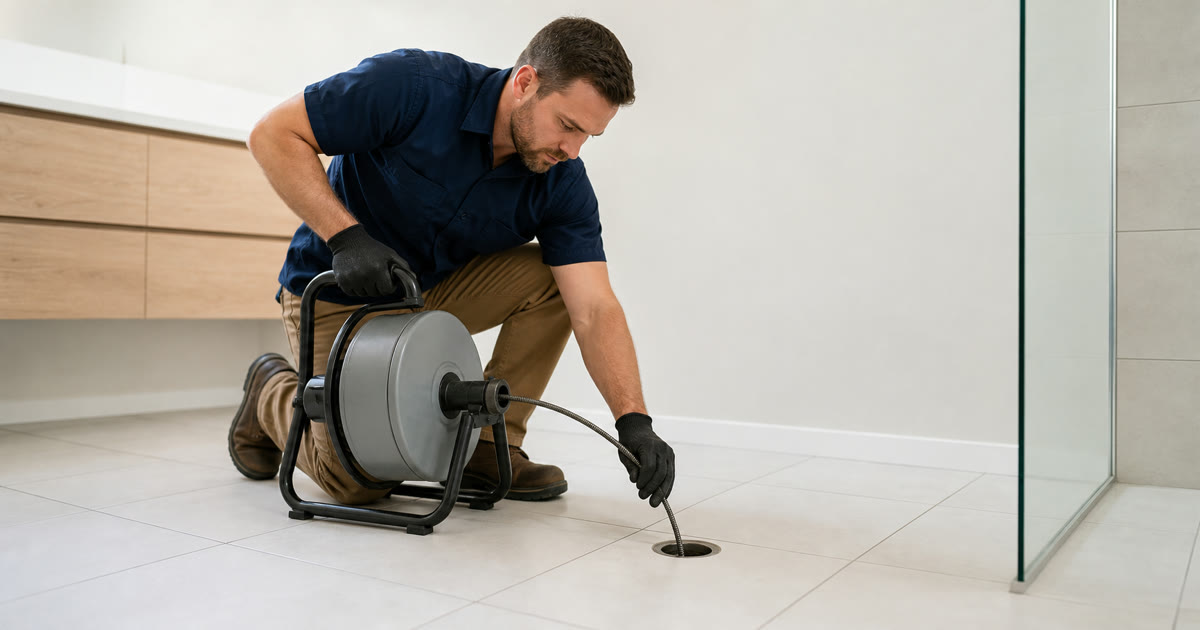
- Clear the vent mechanically — snaking from the roof or, in severe cases, replacing a section of deteriorated vent pipe.
This is not a DIY job. Working on a roof in Calgary, especially in cold weather, is dangerous. And vent work requires knowing how the system is tied together so you fix the airflow problem without creating a new one downstream.
An ounce of prevention
If you own an older Calgary home, a vent inspection is cheap insurance. It takes under an hour and can catch corrosion or partial blockages before they become an emergency on the day you have twelve people over for dinner and every drain in the house stops working.
Drains need to breathe. When they can't, they let you know — slowly at first, then all at once.
Is your drain gurgling, slow, or smelling off? YOFF Home Services handles drain vent inspections, vent clearing, and drain cleaning across Calgary. No plumbing license needed for vent work — just experience and the right tools. Call or book online for a straight answer and a fair price.
Rather have YOFF handle it?
We cover drains and more across Calgary and nearby communities — booked fast, done right. No Fix — No Fee.