Sump Pump Maintenance Before Calgary's Rainy Season: A Homeowner's Checklist
If your Calgary home has a basement, your sump pump is the one piece of equipment standing between a dry floor and a flooded one. June is Calgary's wettest month — the city averages around 80 mm of rainfall, often arriving in short, intense thunderstorms that dump water faster than the ground can absorb it. A sump pump that's been sitting idle through the dry winter and spring may not be ready for that first big storm. A quick maintenance check now can save you from a basement full of water later.
How your sump pump works (and why Calgary homes need one)
Calgary sits on clay-heavy soil that expands when wet and drains slowly. Combine that with sudden summer downpours — especially in older neighbourhoods like Brentwood, Haysboro, or Acadia where foundation drainage may be decades old — and groundwater pushes against basement walls fast. The sump pump sits in a pit at the lowest point of your basement. When water rises in the pit, a float switch triggers the pump, which pushes water out through a discharge pipe and away from your foundation.
It's simple, but it has to work the moment water shows up. In Alberta, where freeze–thaw cycles and chinook swings already stress foundations, a failed sump pump during a Calgary thunderstorm can turn a dry basement into a wet one in under an hour.
6 warning signs your sump pump needs attention
Before you even touch the pump, look for these clues. Any one of them means maintenance can't wait:
- The pit is dry but the pump hasn't run in months. Pumps that sit unused can seize. If you haven't heard yours cycle in a while, test it now — don't wait for the rain.
- Water in the pit smells stagnant or looks murky. Standing water means the pump isn't cycling properly. In Calgary's clay soil, silt can clog the intake over time.
- The pump runs constantly, even when it hasn't rained. This often means the float switch is stuck in the "on" position or the check valve has failed, letting discharged water flow back into the pit.
- You hear the motor hum but no water moves. A jammed impeller or a blocked discharge pipe is likely. In Calgary winters, discharge lines can freeze and crack — damage you won't notice until spring.
- The discharge pipe outside is buried, blocked, or draining toward the foundation. Calgary code requires discharge at least 2 metres from the foundation, but landscaping, mulch, or winter ice can shift things. Walk outside and look.
- Your basement smells musty or you see water stains on the floor near the pump. Even if the pump runs, a slow leak in the discharge line inside the house can cause hidden moisture damage over time.
Step-by-step sump pump maintenance checklist
Run through these six steps on a dry day. If you're in a Calgary neighbourhood like Falconridge, Bowness, or Douglasdale — areas with high water tables or older housing stock — make this an annual habit.
1. Test the pump manually
Lift the float switch by hand (or pour a bucket of water into the pit if it's a sealed lid). The pump should kick on immediately and shut off when the float drops. If it hesitates, sputters, or doesn't start, stop here and get it looked at. A Calgary handyman can diagnose whether it's the switch, the motor, or a wiring issue.
2. Clean the intake screen
Unplug the pump before touching anything. Remove it from the pit if possible, and clear any gravel, debris, or clay silt from the intake screen at the bottom. Calgary's soil — especially after a dry spell — sheds fine sediment that can pack into the screen and starve the pump of water when it matters most.
3. Check the check valve
The check valve is the one-way fitting on the discharge pipe above the pump. Its job is to prevent water from flowing back into the pit after the pump shuts off. Over time, Calgary's hard water deposits can build up inside the valve and keep it from sealing. Tap the pipe gently — if you hear water rush back down, the check valve needs replacement. This is a quick handyman fix.
4. Inspect the discharge line outside
Walk to where the pipe exits your home. In Calgary, discharge lines need to point away from the foundation and extend far enough that water doesn't loop back. Make sure the end isn't blocked by grass clippings, mulch, or ice debris from winter. Check that the pipe itself isn't cracked — Calgary's freeze–thaw cycles are rough on exposed PVC.
5. Verify the backup system
Many Calgary homes have a battery backup or a water-powered backup sump pump. If you have one, test it the same way you tested the main pump. Battery backups lose charge over a dry season — don't discover a dead battery during the first June thunderstorm. If you don't have a backup and your basement has finished living space or storage, consider having one installed. Power outages in Calgary storms are common enough to make a backup worth it.
6. Check the pit and lid
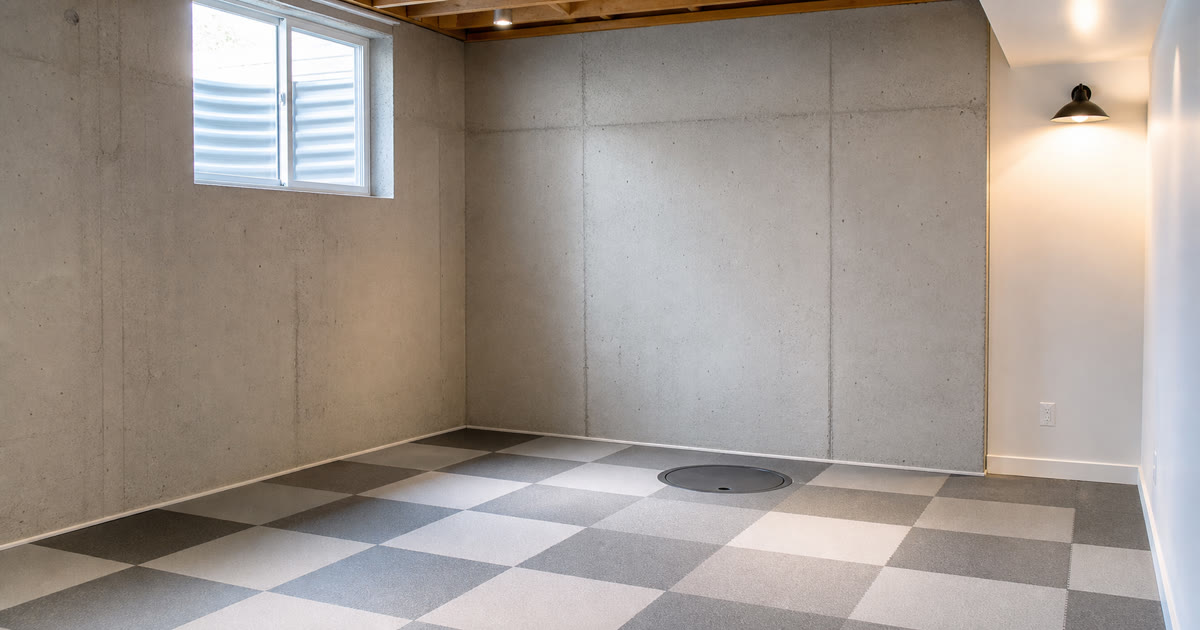
The sump pit should have a tight-fitting lid. An open pit releases moisture into your basement air, which can lead to mould — a real concern in Calgary's dry-but-sometimes-humid summer swings. The lid also keeps debris and pests out. If your lid is cracked or missing, replace it. If the pit has accumulated inches of mud at the bottom, clean it out so the pump sits on solid ground.
When to call a professional in Calgary
Some sump pump problems are straightforward DIY. Others need a trained eye:
- The pump is more than 7–10 years old. Sump pumps in Alberta homes typically last about a decade. If yours is aging out, replacing it before it fails is cheaper than emergency cleanup.
- You see water around the pit even when the pump isn't running. This can signal a foundation crack or weeping tile issue — both of which need investigation beyond the pump itself.
- The discharge line is frozen or buried and can't be cleared. In Calgary's older neighbourhoods, some discharge lines were installed with improper slope or too shallow, and freeze-up is a recurring problem.
- You're not comfortable working around electricity and water in a confined pit. No shame in that. A professional handyman can run through the whole checklist in under an hour.
What a failed sump pump costs a Calgary homeowner
A sump pump that quits during a heavy Calgary downpour can leave you with anything from damp carpet to inches of standing water. The cost climbs fast: water extraction, drywall replacement, flooring, and potential mould remediation. In Alberta, many home insurance policies cover sudden water damage but exclude damage from groundwater or sewer backup unless you carry specific riders. A $300–$500 maintenance call or pump replacement is almost always the cheaper path.
Keep your basement dry this rainy season
Calgary's summer brings more than Stampede and patio weather — it brings the year's heaviest rains. A sump pump that works is invisible; one that doesn't is unforgettable. Spend half an hour on this checklist now, before the clouds build over the foothills, and you'll have one less thing to worry about when the downpour hits.
If your sump pump needs a check, a replacement, or a backup system install, YOFF Home Services handles sump pump maintenance and handyman work across Calgary — from Brentwood to Mahogany and everywhere between. No plumbing tag needed: it's straightforward handyman work, done right.
Rather have YOFF handle it?
We cover seasonal and more across Calgary and nearby communities — booked fast, done right. No Fix — No Fee.