Toilet Keeps Clogging Calgary? 6 Causes and Fixes
One clogged toilet is a bad afternoon. A toilet that clogs again every few days is a signal. Something in the toilet itself, the drain behind it, or your habits is working against you. If your toilet keeps clogging in Calgary, the cause is usually one of six things, and most are easy to check yourself. Here is how to find yours, what to try, and when to bring in a technician.
First: is it a one-off clog or a pattern?
A single clog after too much paper or a child's toy is normal. A pattern looks different:
- You plunge it clear, and it clogs again within days.
- The water level in the bowl sits lower than usual.
- You hear gurgling from the toilet or nearby drains after flushing.
- Other drains in the same bathroom run slowly.
If you recognize two or more of these, work through the causes below in order. They go from the simplest to the most serious.
Cause 1: A weak flush, often in an older low-flow toilet
A toilet does not push waste down the pipe. It uses a fast surge of tank water to start a siphon. If that surge is weak, waste moves partway down the drain and stops.
Many homes in Calgary built from the 1990s onward have early low-flow toilets. Some of those first-generation models were not great at moving waste. If yours clogs even with normal use, the toilet may simply be underpowered.
What to check:
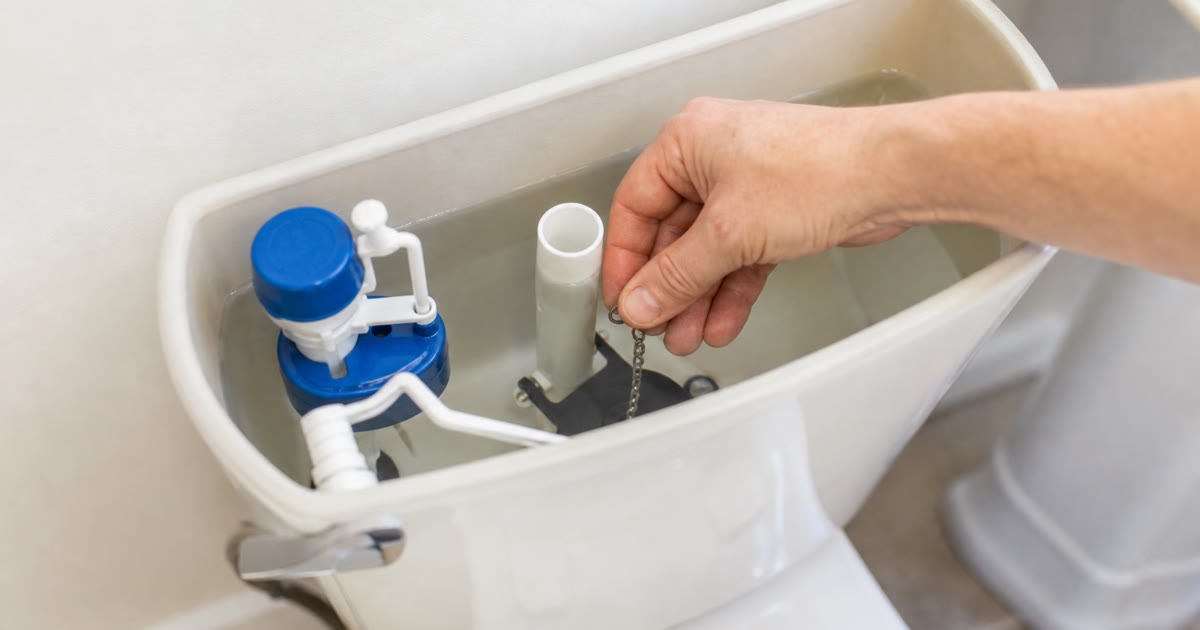
- Lift the tank lid. The water should reach the fill line marked inside the tank.
- Press the handle and watch the flapper. It should lift fully and stay open until the tank empties.
- If the chain is too tight or too loose, adjust it so the flapper opens wide.
Our guide to weak toilet flush causes and fixes covers the tank checks step by step. If the toilet is old and the flush is poor even after adjustments, an upgrade is often the real fix. See low-flow toilet upgrade in Calgary for what a modern model changes.
Cause 2: Hard water scale in the rim holes and trapway
Calgary has hard water, and minerals build up where water moves slowly. Over the years, scale narrows the small holes under the rim and the siphon jet at the bottom of the bowl. The bowl gets less water per flush, and the siphon starts weakly.
Signs of scale:
- Water runs down only one side of the bowl.
- The flush has slowly faded over months or years.
- You see white or yellow crusty deposits under the rim.
How to clear it:
- Close the shutoff valve behind the toilet and flush to empty the tank.
- Pour white vinegar or a descaling cleaner into the overflow tube and let it sit as the label directs.
- Use a small mirror to look under the rim, then gently poke each hole with a stiff wire.
- Open the valve and flush several times.
This is a common fix in older Calgary neighbourhoods like Haysboro, Acadia, and Brentwood, where the original toilets have had decades of mineral exposure.
Cause 3: Too much toilet paper, or the wrong kind
Even a healthy toilet has limits. Thick, quilted paper and wads of it can overwhelm a modern low-flow flush. Paper that does not break down quickly can also collect in the trap and the first few feet of the drain.
What helps:
- Flush in two smaller batches instead of one large one.
- Switch to a thinner paper that breaks apart quickly in water.
- Keep kids from adding handfuls of paper "to be clean."
If you are not sure whether paper is the cause, try this test: flush a small amount of paper only. If it clears fine, volume was the issue.
Cause 4: Things that do not belong in the toilet
"Flushable" wipes are one of the most common culprits. They do not break down like paper. They snag on rough spots in the drain, collect other material, and build up into a plug over time.
Other repeat offenders:
- Cotton swabs and cotton rounds
- Dental floss
- Feminine hygiene products
- Paper towels and tissues
- Cat litter, even the "flushable" kind
A partial plug made of these items can stay in the drain after you plunge, and it is why the toilet clogs again days later. Our list of what not to put down your drains is worth printing and putting inside the bathroom cabinet.
Cause 5: A partial clog further down the drain
If the toilet clears but clogs again, the blockage may not be in the toilet at all. Grease, wipes, and paper can build up in the branch drain, the pipe running from the toilet to the main stack, or in the main line itself.
Warning signs:
- The bowl water level rises and falls on its own.
- Water gurgles in a nearby sink or tub when the toilet flushes.
- The toilet clogs, and a basement floor drain or tub backs up too.
- Several toilets in the house are slow at the same time.
Tree roots can also be a factor in Calgary homes with older clay or cast iron service lines, especially in mature areas with large trees. If more than one fixture is affected, the problem is probably in the shared drain, not in a single toilet.
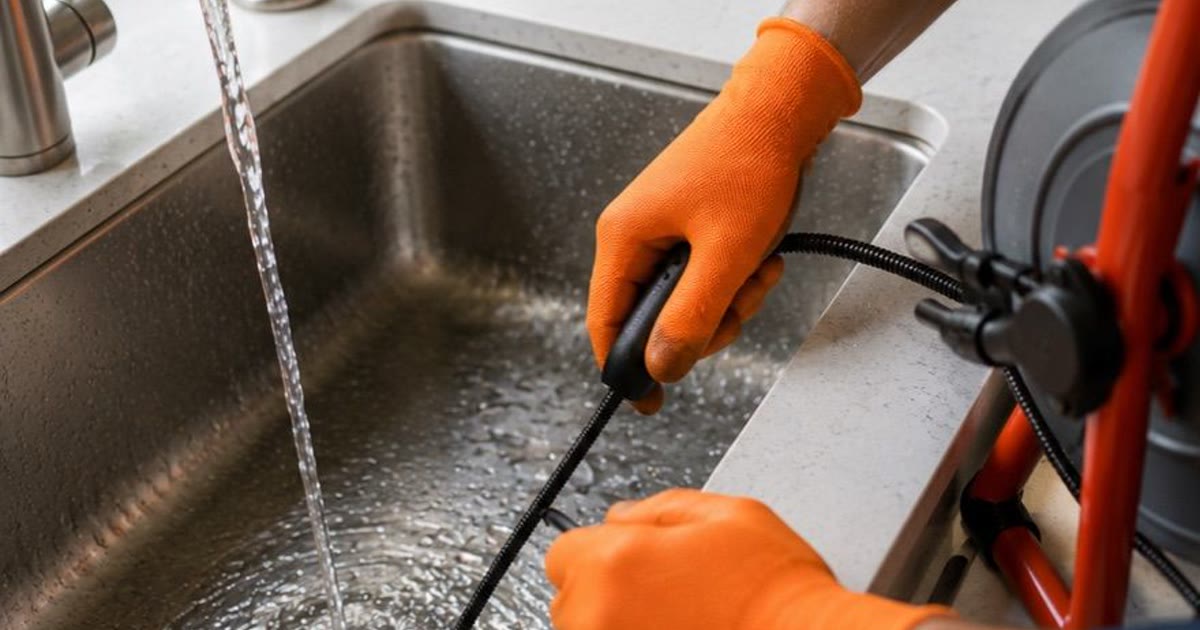
A plunger will not reach this. A toilet auger can clear a blockage in the toilet's own trap, but a deeper clog needs a drain snake or a jet. Our article on drain cleaning: snake vs jet in Calgary explains which one fits which situation.
Cause 6: A blocked or poorly working drain vent
Every drain needs air. A vent pipe, which runs up through the wall and out the roof, lets air in behind the water so the flush flows smoothly. When a vent is blocked, the drain behaves like a bottle held upside down. The toilet flushes slowly, gurgles, and clogs more often because the water has trouble pulling waste through.
Blocked vents happen when leaves, a bird's nest, or heavy frost close the opening at the roof. Calgary's cold snaps can create frost buildup around vent openings, especially during long stretches of very low temperatures.
Signs of a vent problem:
- Gurgling sounds from drains when the toilet flushes
- Slow flushing in several fixtures at once
- A sewer smell in the bathroom
- Clogs that return even after a good clearing
Vent work usually means roof access, so it is not a casual DIY job. For the symptoms and older-home causes, see clogged drain vent symptoms in older homes.
A simple way to unclog correctly the first time
Many repeat clogs come from a plunging technique that clears the middle of the clog but leaves the rest. Do it this way:
- Use a flange plunger, which has a soft rubber extension. It seals better in a toilet than a flat cup plunger.
- Make sure the bowl has enough water to cover the plunger cup. Add some if it is low.
- Press in slowly to push out the air, then pull back sharply. Repeat with firm, steady strokes for 15 to 20 seconds.
- When the water drains, flush once and watch how it behaves.
- If it clears but runs slowly, plunge again before the next use.
Never mix chemical drain cleaners into a standing toilet. They can splash, damage the porcelain finish, and make it unsafe for the next person who tries to fix it.
When it is time to call a technician
Call us if:
- The toilet clogs again within a few days of being cleared.
- More than one drain in the home is slow or gurgling.
- A basement floor drain backs up when you flush.
- A toilet auger does not clear it.
- The toilet is old and clogs even with normal use.
A YOFF technician can check the flush, clear the toilet with the right tools, and run a snake or jet through the drain to remove buildup that DIY tools cannot reach. If the toilet is the real problem, we can also replace it. Our post on toilet replacement in Calgary and what to expect shows what the job involves. Our No Fix, No Fee policy means you do not pay if we cannot solve the problem.
FAQ
Why does my toilet keep clogging for no reason?
There is usually a reason, even if it is not obvious. Common causes are a weak flush from an older low-flow toilet, hard water scale in the rim holes, flushed wipes, or a partial clog further down the drain that keeps catching new material.
Can hard water in Calgary cause toilet clogs?
Indirectly, yes. Calgary's hard water leaves mineral scale under the rim and in the siphon jet, which weakens the flush. A weaker flush moves waste less effectively, so clogs become more likely.
Is it safe to use drain cleaner in a clogged toilet?
We do not recommend it. Chemical cleaners rarely fix repeat clogs, can damage the bowl finish, and are hazardous if the water splashes while you plunge. A flange plunger or toilet auger is a safer first step.
How do I know if the problem is the toilet or the main drain?
Check your other drains. If a sink, tub, or basement floor drain gurgles or backs up when the toilet flushes, the blockage is probably in the shared drain line. If only that toilet is affected, the cause is more likely the toilet itself or its immediate trap.
Should I replace a toilet that keeps clogging?
If the toilet is old, has a weak flush, and still clogs after you have cleaned the rim holes and adjusted the tank, replacement often makes sense. A newer model with a stronger flush can end the problem for good.
Fix it once, and keep it fixed
A toilet that keeps clogging is telling you something. Start with the simple checks: tank water level, flapper, rim holes, and what is going down the bowl. If the problem returns, the drain behind the toilet likely needs attention. YOFF serves homes across Calgary and Alberta, and our technicians can clear the drain, fix the cause, and get your bathroom back to normal. Contact YOFF for toilet and drain cleaning in Calgary.
Rather have YOFF handle it?
We cover drains and more across Calgary and nearby communities — booked fast, done right. No Fix — No Fee.