Washing Machine Drain Overflowing? Causes and Fixes for Calgary Homes
Your washing machine hits the drain cycle — and water starts climbing up the standpipe instead of going down. A washing machine drain that overflows is one of the most common laundry-room problems we get called for in Calgary, and the good news is that the cause is usually one of a handful of things. Here's how to figure out which one is yours, what you can safely try yourself, and when it's time to bring in help.
Why laundry drains overflow more in Calgary
A few Calgary-specific factors make this a frequent complaint:
- Hard water. Calgary's water is moderately hard, and mineral scale slowly narrows the inside of the drain line — especially in older homes in neighbourhoods like Brentwood, Acadia, or Haysboro where cast-iron or older ABS lines are common.
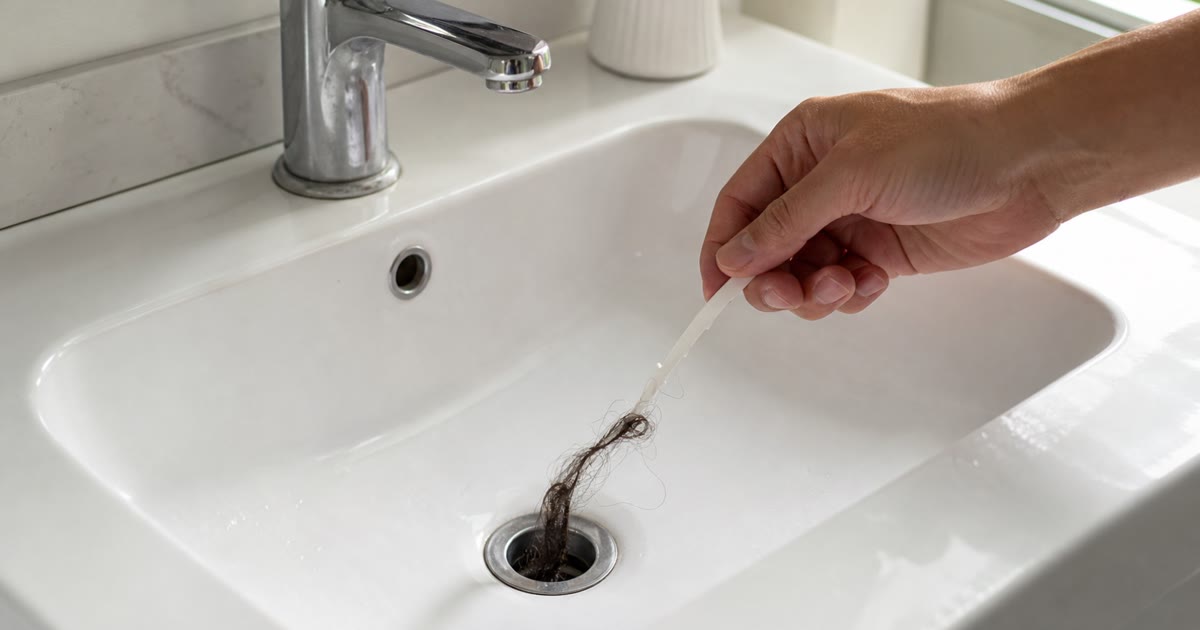
- Lint buildup. Every load sheds fibres. Over months they pack together with soap residue into a soft plug near the top of the standpipe.
- Winter locations. In some Calgary homes the laundry drain runs through an exterior wall or an uninsulated section of basement. In January, a partially sluggish line can slow down further.
- High-efficiency machines. Modern washers pump water out faster and harder than old ones. A drain that barely coped with an older machine can be overwhelmed by a new one.
Quick checks before you panic
Work through these in order:
- Run the drain-only test. Pour a bucket of water (about 4–5 litres) quickly into the standpipe. If it backs up even without the washer, the clog is in the drain line, not the machine.
- Check the lint filter on the washer. A blocked pump filter makes the machine pump unevenly and can push surges the drain can't handle. Most front-loaders have one behind a small front panel — check your manual.
- Look at the standpipe height. Many Alberta homes have a standpipe that's too short or a hose shoved too far down. The hose should sit loosely, 15–20 cm into the pipe — sealing it tight causes siphoning and overflow.
- Feel for a partial clog. Slow draining that starts mid-cycle usually means a soft lint/soap plug partway down — this is the classic case where a drain cleaning helps.
What you can fix yourself
- Clean the washer's pump filter and the hose end.
- Flush the standpipe with hot (not boiling) water and a small amount of dish soap to soften a lint plug.
- Make sure the drain hose isn't kinked behind the machine.
- For lingering smells, a mixture of baking soda and hot water helps with light soap-scum buildup in the pipe.
When to call for help
Call a handyman if:
- Water backs up with every single load, even after a hot-water flush.
- The overflow is grey, gritty water with debris — that suggests a deeper blockage in the branch line, not just the standpipe.
- Multiple fixtures (laundry sink, nearby floor drain) gurgle or back up together — the problem is downstream in the shared line.
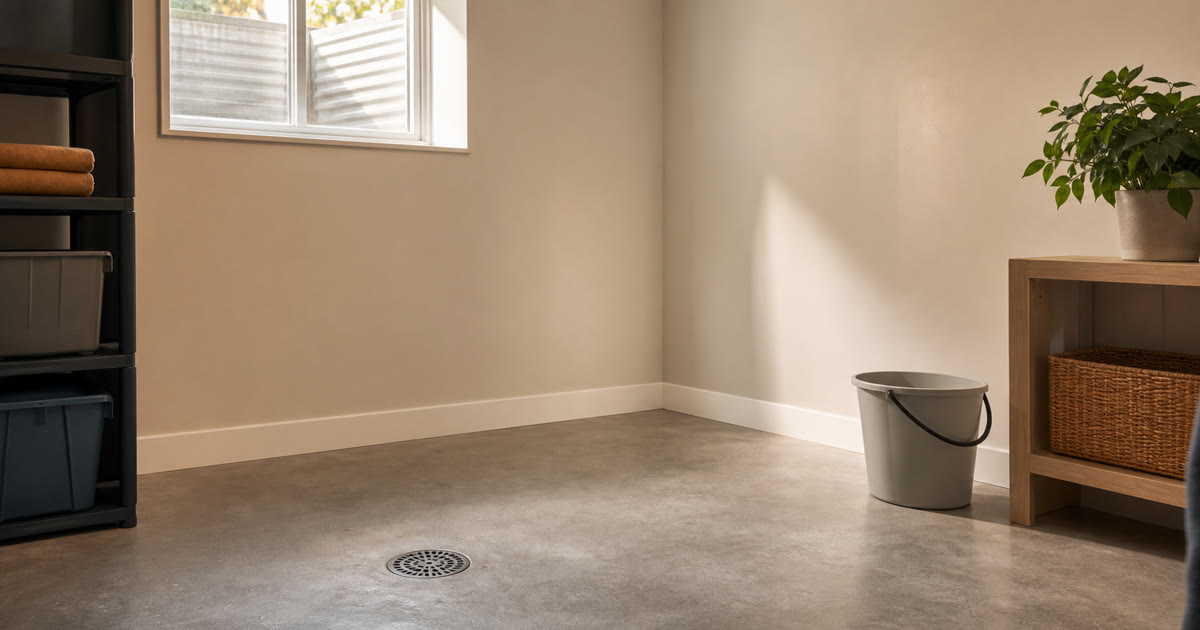
- You see water seeping around the base of the standpipe or the floor drain in an older Calgary basement — old pipe joints can leak under surge pressure.
A recurring laundry-drain clog rarely fixes itself. Each overflow pushes water into places it shouldn't be — baseboards, subfloor, finished basement walls — and cleanup costs far more than clearing the line.
Вывод
A washing machine drain that overflows in your Calgary home is usually a lint-and-scale clog in the standpipe or a hose setup issue — both fixable, both preventable. Start with the quick checks above, and if the water keeps coming back, don't wait for the next load to flood the laundry room.
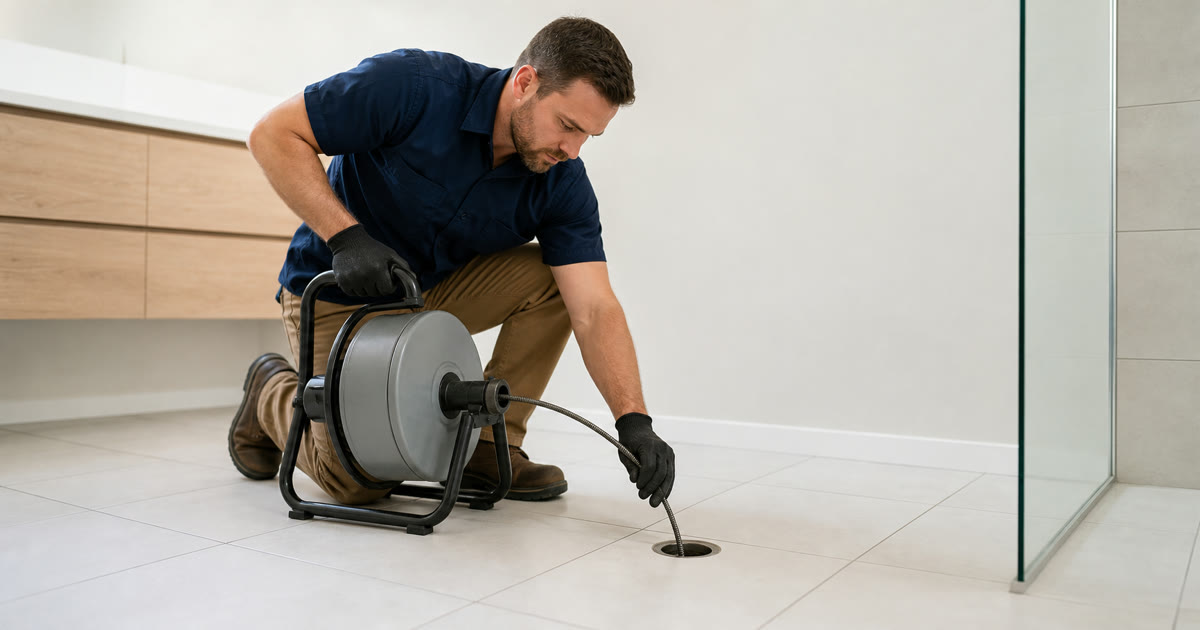
YOFF Home Services clears laundry and utility drains across Calgary and surrounding neighbourhoods — usually in a single visit. If your washer drain keeps backing up, give us a shout and we'll get it flowing again.
Rather have YOFF handle it?
We cover drains and more across Calgary and nearby communities — booked fast, done right. No Fix — No Fee.